
What to Pack for an Overnight Desert Camp
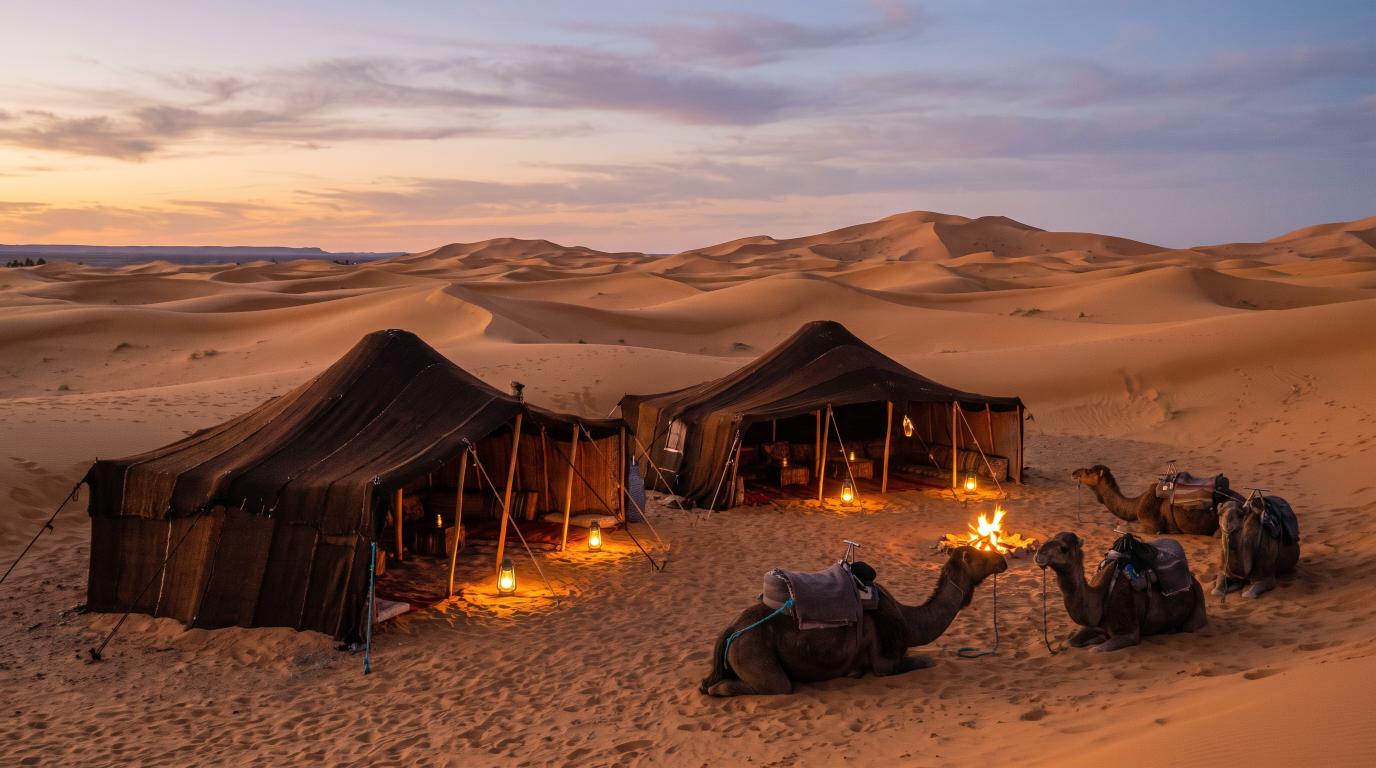
Knowing what to pack for an overnight desert camp is the difference between a magical night under the stars and a cold, sandy, sleepless one. This complete Sahara packing list covers clothing, the cold-night essentials people always forget, and the small comforts that make a desert camp feel like a treat rather than a test.
The Sahara plays a trick on first-timers. By day it’s warm, bright and forgiving; the moment the sun drops, the temperature can fall by 15–20°C, and an unprepared traveller shivers through the best part of the whole trip. Getting your packing right for an overnight desert camp is easy once you know the desert’s rhythm — and that’s exactly what this guide gives you. At Desert Sahara Life we’ve watched thousands of guests pack, and the same handful of items always get forgotten.
The Golden RuleLayers beat everything
The single most useful packing principle for the Sahara is layering. Rather than one heavy item, bring several lighter ones you can add and remove as the temperature swings. A breathable base layer, a warm mid-layer (a fleece or light down), and a wind-resistant outer shell will carry you comfortably from a hot afternoon to a cold night to a chilly sunrise. This also keeps your bag light — important when a camel is carrying it.
ClothingWhat to wear in the desert
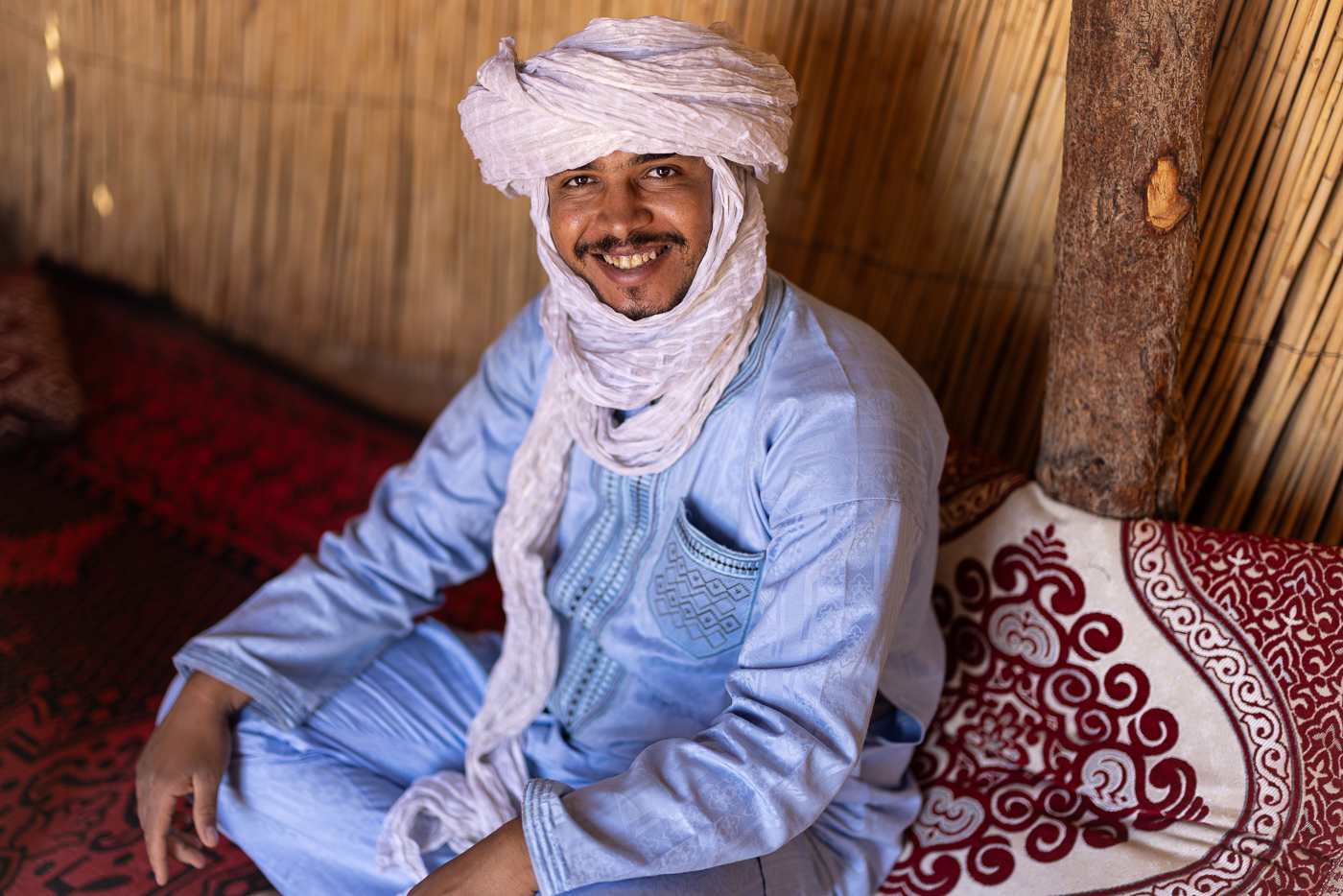
Loose, breathable, natural-fibre clothing is your friend. It keeps you cool, protects your skin from the sun, and doubles as modest dress that respects local Berber culture. Here’s the core clothing kit for an overnight camp:
- Long, loose trousers — cooler than they look and protect against sun and chafing on a camel.
- Long-sleeved cotton or linen shirts — better sun protection than a T-shirt.
- A warm fleece or light down jacket — the item first-timers forget and regret most.
- A wind/rain shell — light, packable, blocks the evening wind.
- A scarf or chèche — for sun, wind and blowing sand; guides can show you how to wrap it.
- A warm hat and thin gloves for winter departures.
For the finer detail on fabrics, colours and how to dress on the animal itself, our dedicated guide on what to wear on a camel ride is the perfect companion to this packing list.
FootwearSand-friendly shoes
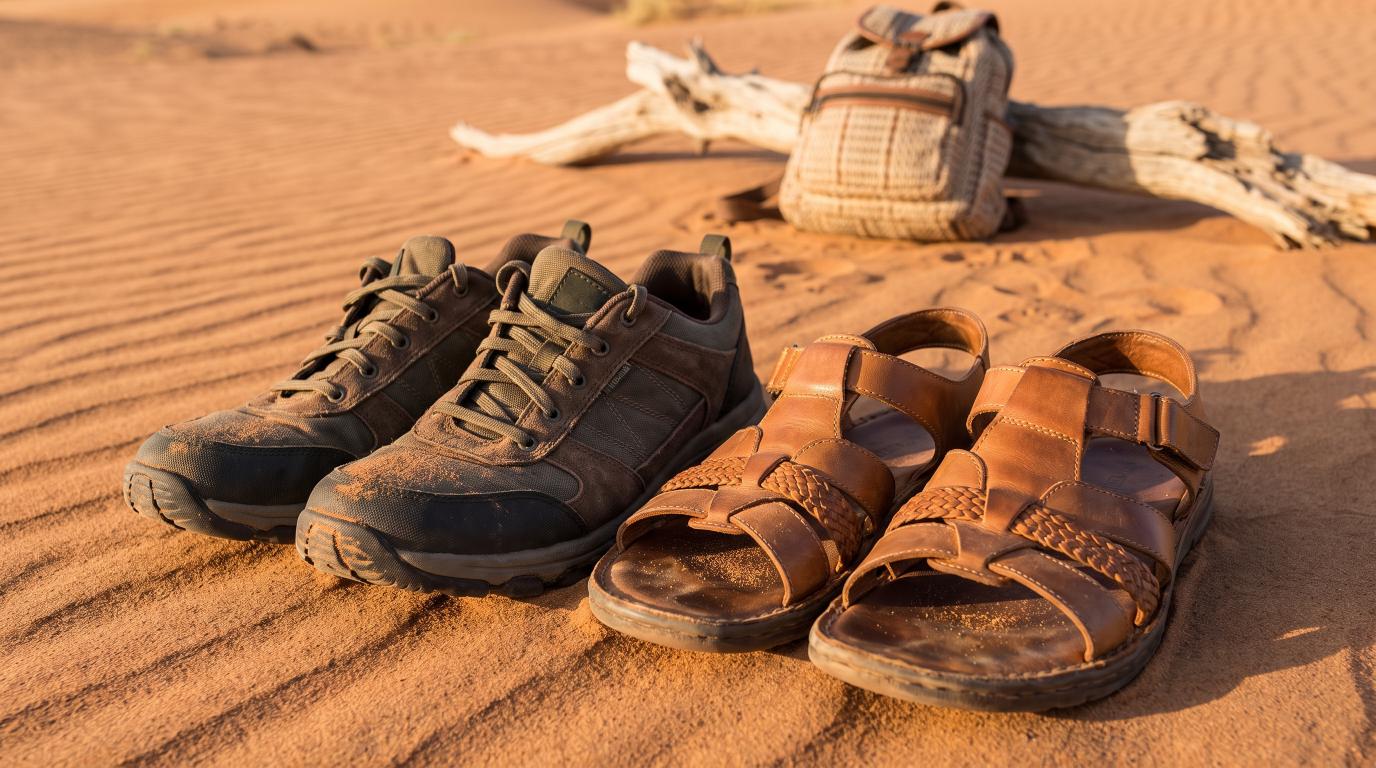
You have two good options: closed walking shoes or trainers for trekking and warmth, plus a pair of sandals for around camp and for pouring the sand out at the end of the day. Avoid brand-new boots — the desert is no place to break them in. Whatever you choose, expect sand to get everywhere; that’s part of the deal.
The three items guests most often forget: a headlamp or torch (camps are gloriously dark), a power bank (there are no plug sockets in the dunes), and lip balm (the dry air is relentless). Pack all three now.
Sun & SandProtection that isn’t optional
The desert sun is stronger than it feels, especially with sand reflecting light back at you. Non-negotiables here: high-factor sunscreen, good UV sunglasses, a wide-brimmed hat or the chèche, and a refillable water bottle. Dehydration sneaks up quickly in dry air — sip steadily rather than waiting until you’re thirsty. Add a little lip balm with SPF and you’ve covered the most common Sahara discomforts.
SleepStaying warm at night
Camps provide mattresses and blankets, and a good operator provides plenty. But if you feel the cold, or you’re travelling in winter, a lightweight sleeping bag liner or a packable sleeping bag adds a reliable buffer — many travellers hire one locally rather than carrying their own. A warm layer to sleep in and a beanie make surprisingly big difference on the coldest nights. If total comfort matters to you, consider upgrading to one of our Erg Chebbi luxury camps, where proper beds and ensuite tents remove the guesswork entirely.
Not sure what your camp includes?
Every Desert Sahara Life trip lists exactly what’s provided so you know precisely what to bring. Build your route and see the details.
Start PlanningToiletries & ExtrasThe small comforts
Keep toiletries minimal and reef-and-desert-friendly. Wet wipes and hand sanitiser are practical when water is limited. A small quick-dry towel, any personal medication, and a basic first-aid kit round things out. For entertainment, the desert supplies its own: a truly dark sky where the Milky Way is unmistakable. Bring a stargazing app if you like, but mostly just look up.
Camera & TechCapturing the trip without ruining your gear
Fine sand is the enemy of electronics. Keep your camera or phone in a zip bag when not in use, avoid changing camera lenses in wind, and bring more battery capacity than you think you need — cold nights drain batteries fast. A power bank is essential since camps are off-grid. Beyond that, resist the urge to spend the whole trip behind a screen; the Sahara is best experienced with your own eyes first. You can see the kind of moments to look out for in our photo gallery.
Season MattersAdjust for the time of year
Your list shifts slightly with the calendar. Summer overnights need extra water, strong sun protection and lighter fabrics. Winter overnights demand serious warm layers, gloves and a hat — desert nights in December and January can dip below freezing. Spring and autumn are the sweet spot and need the least specialised kit. Whenever you go, browse the range of Sahara tours to match your trip length to the season, or reach us on the contact page for personal advice.
By Trip LengthHow much to pack
The right amount of luggage depends on how long you’re out in the sand. Over-packing is a real mistake on longer treks, where camels carry your bag and a lighter load is kinder to the animals and easier to manage.
| Trip type | What to bring |
|---|---|
| One overnight | Small daypack: one warm layer, sun protection, headlamp, power bank, toiletries, water bottle. |
| 2–3 day trip | Add a change of clothes, sandals, a light sleeping bag liner and extra socks. |
| Multi-day trek | Soft duffel (no wheels), full layer system, spare shoes, more sun protection, personal medications and a small first-aid kit. |
For longer walking journeys, a soft bag always beats a hard suitcase — it packs onto a camel far more easily. If you’re planning a multi-day route to the big western dunes, our Erg Chegaga tours from Marrakech page lists exactly what’s provided so you can pack light with confidence.
Leave It HomeWhat NOT to bring
Just as useful as the packing list is knowing what to leave behind. Skip the hard-shell suitcase, the brand-new unbroken hiking boots, the heavy hairdryer or styling tools (there’s no power), and excessive valuables or jewellery. Fancy outfits are wasted on the dunes — the desert dress code is comfort and sun protection, nothing more. Bringing less genuinely makes the trip better: you move more freely, you burden the camels less, and you spend more time looking at the sky than rummaging through a bag.
Family TravelPacking with children
Travelling with kids? The essentials don’t change, but a few extras help enormously: more layers (children feel the cold faster), extra snacks, wet wipes, a favourite comfort item for the unfamiliar night, and sun hats that actually stay on. Keep camel rides short and optional for little ones. Families often prefer a gentler, comfort-focused base, and our Erg Chebbi luxury camps make an overnight easy and stress-free for all ages. When in doubt about what suits your family, the Sahara trips planner tool is a quick way to shape the right trip.
Travel LightWhat you can hire locally
You don’t need to carry everything from home, and for a one-off desert trip it rarely makes sense to buy specialist gear you’ll never use again. Sleeping bags in particular can usually be hired locally at the desert gateway towns, which saves you lugging a bulky item across Morocco. Scarves and chèches are sold everywhere and make a lovely, genuinely useful souvenir — your guide can even teach you the traditional wrap. Focus your own packing on the personal essentials (medication, good shoes, sun protection, a warm layer) and let the desert supply the rest. A quick message to your operator before you travel will confirm exactly what’s available to rent.
Small TouchesComfort extras that punch above their weight
A few tiny, low-effort items make a disproportionate difference to how much you enjoy an overnight camp. A microfibre travel towel dries fast and packs to nothing. A refillable water bottle saves plastic and keeps you sipping. Earplugs help light sleepers in a quiet-but-unfamiliar tent, and a small dry-bag or zip pouch keeps your phone and passport free of sand. None of these are essential, but together they turn a good night in the dunes into a genuinely comfortable one — and they weigh almost nothing on the camel. When you’ve packed smart, all that’s left is to enjoy the sunrise.
The essential packing list
- Layers: base + warm mid-layer + wind shell.
- Loose long clothing, scarf/chèche, warm night layer.
- Headlamp, power bank, sunscreen, sunglasses, lip balm, water bottle.
- Closed shoes + sandals; sleeping bag liner if you feel the cold.
- Zip bags to protect electronics from fine sand.
Featured Sahara Trips
Erg Chebbi Luxury Camps
Sleep in style near Merzouga with private tents, ensuite bathrooms and fire-lit dinners.
See camps →Desert Camp Packing — FAQs
Packed and Ready?
Let us handle the tents, the food and the guides — you just bring your layers and your sense of wonder. Plan your overnight Sahara camp today.