
A Sahara desert Morocco trip is one of those journeys people talk about for the rest of their lives. It is not only the dunes, although watching them turn from pale gold to deep copper at sunset is unforgettable. It is the silence after the last camel settles for the night, the taste of bread baked in the hot sand, and the feeling of walking for hours without seeing a road, a wire or a building.
At Desert Sahara Life, we have spent more than ten years guiding travellers through the Moroccan Sahara. Our team works with experienced nomads from Mhamid el Ghizlane, families who have crossed these dunes for generations, and we specialise in longer journeys that go far beyond the one-night camp most visitors see. In this guide we share everything we have learned so you can plan the right desert trip for you.
Why a Sahara Desert Morocco Trip Belongs on Your List
Morocco is one of the easiest and most rewarding ways to reach the world’s largest hot desert. Within a day of leaving Marrakech you can cross the High Atlas Mountains, pass mud-brick kasbahs and palm-filled valleys, and arrive at the edge of the sand. Few places on earth let you move from a busy medina to complete desert silence so quickly.
But the Sahara is not just a destination to tick off. It changes the way you travel. Days follow the sun instead of the clock. Meals are shared around a fire. Conversations slow down. Many of our guests arrive expecting beautiful photos and leave saying the desert gave them something they did not know they needed: space to think.
The experience you have, however, depends almost entirely on two things: where you go and who you travel with. Choosing the right region and the right team is what turns a quick excursion into a real Sahara desert Morocco trip.
The Four Desert Regions to Know in Morocco
Morocco’s Sahara is not one single landscape. It is a patchwork of dune seas (called ergs), stony plains, dry riverbeds and oases. Each region has its own character, and choosing between them is the first big decision you will make.
Erg Chegaga: The Wild, Remote Sahara
Erg Chegaga is the largest dune sea in Morocco, stretching around 40 kilometres, with some of the tallest dunes in the country. There is no paved road to reach it. The final stretch is by 4×4, camel or on foot across open desert. That remoteness is exactly why travellers love it: no crowds, no traffic, just endless sand and an extraordinary night sky. Our Erg Chigaga tours are among our most requested journeys.
Erg Chebbi: The Iconic Dunes of Merzouga
Near the village of Merzouga in the east, Erg Chebbi is Morocco’s most famous dune field. Its tall, rose-coloured dunes rise dramatically from a flat stony plain and make for spectacular sunrise views. It is more developed than Chegaga, with a wide choice of camps, which makes it a good fit if you want comfort alongside your adventure. Our Erg Chebbi luxury camps are ideal for a relaxed, all-inclusive desert stay.
Erg Zahar: The Hidden Dunes Near Mhamid
Few travellers have heard of Erg Zahar, and that is part of its magic. These golden dunes lie close to Mhamid el Ghizlane and are often the first great dune field our trekking groups reach. It is a wonderful destination for a shorter trek that still feels genuinely off the map. Find out more on our Erg Zahar trips page.
Mhamid el Ghizlane: Our Home in the Desert
Mhamid el Ghizlane, “the plain of the gazelles”, sits at the very end of the road in the Draa Valley, close to the Algerian border. This small oasis town is the traditional gateway to Erg Chegaga and the home of our nomad team. Starting a Sahara desert Morocco trip here means travelling with people for whom the desert is home, not just a workplace.
Starting Your Trip: Marrakech or Ouarzazate?
Most of our journeys begin in one of two cities. Your choice depends on how much time you have and how you want to experience the road south.
From Marrakech
Marrakech is the most common starting point, with direct international flights from across Europe. The drive south crosses the High Atlas through the Tizi n’Tichka pass, one of the highest road passes in North Africa, then stops at the UNESCO-listed Kasbah of Aït Benhaddou before descending towards Ouarzazate and the Draa Valley. It is a long day, but many travellers say the road itself is a highlight, with changing landscapes at every turn. If you want to head straight to the big dunes, our Erg Chegaga tours from Marrakech are designed exactly for that.
From Ouarzazate
Ouarzazate, often called the “door of the desert”, cuts several hours off the journey. Starting here, whether you fly in or spend a night in Marrakech first, lets you reach Mhamid or Erg Chegaga with more energy and more time in the sand. It is an excellent choice for shorter trips or for travellers who want to make the most of every desert day.
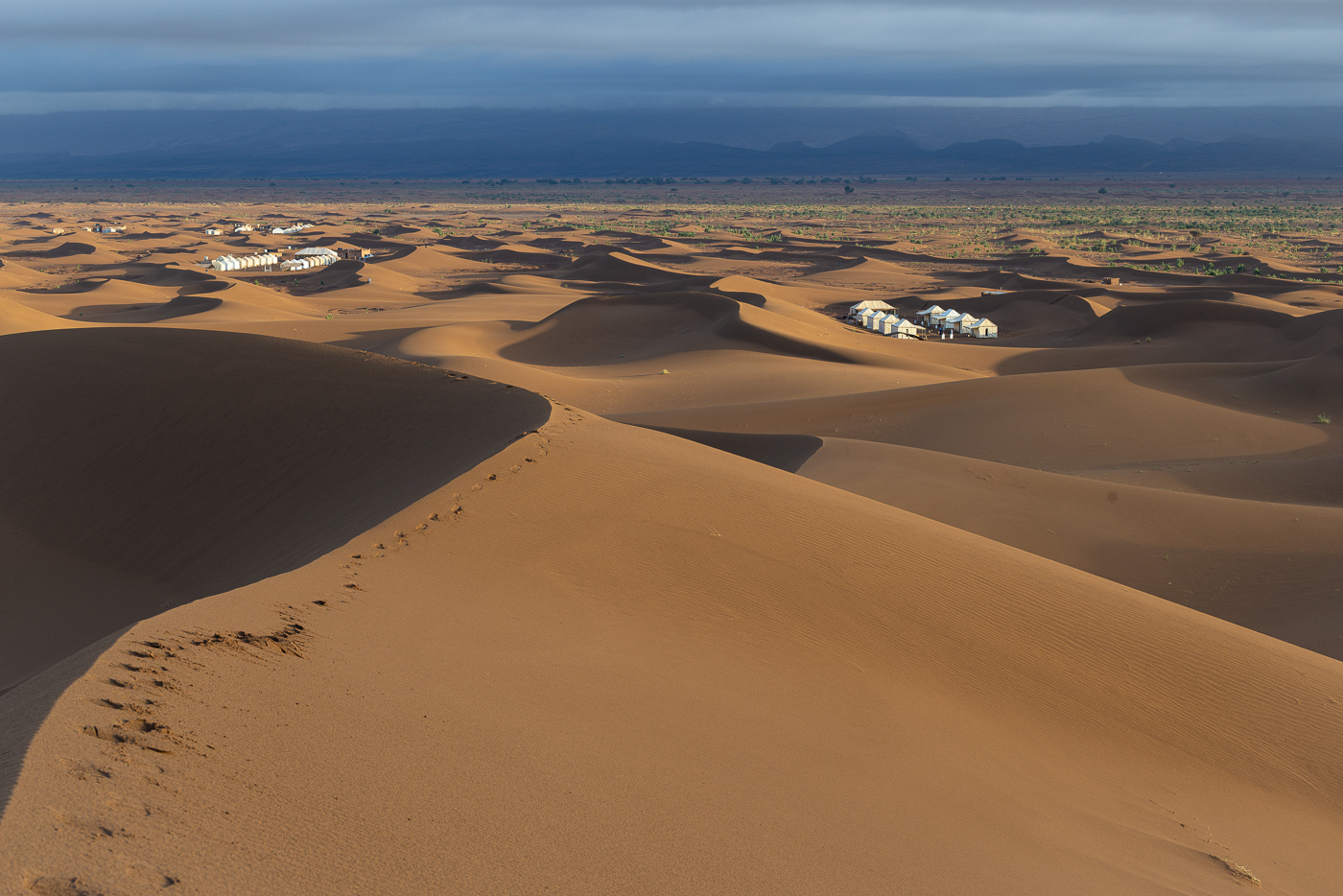
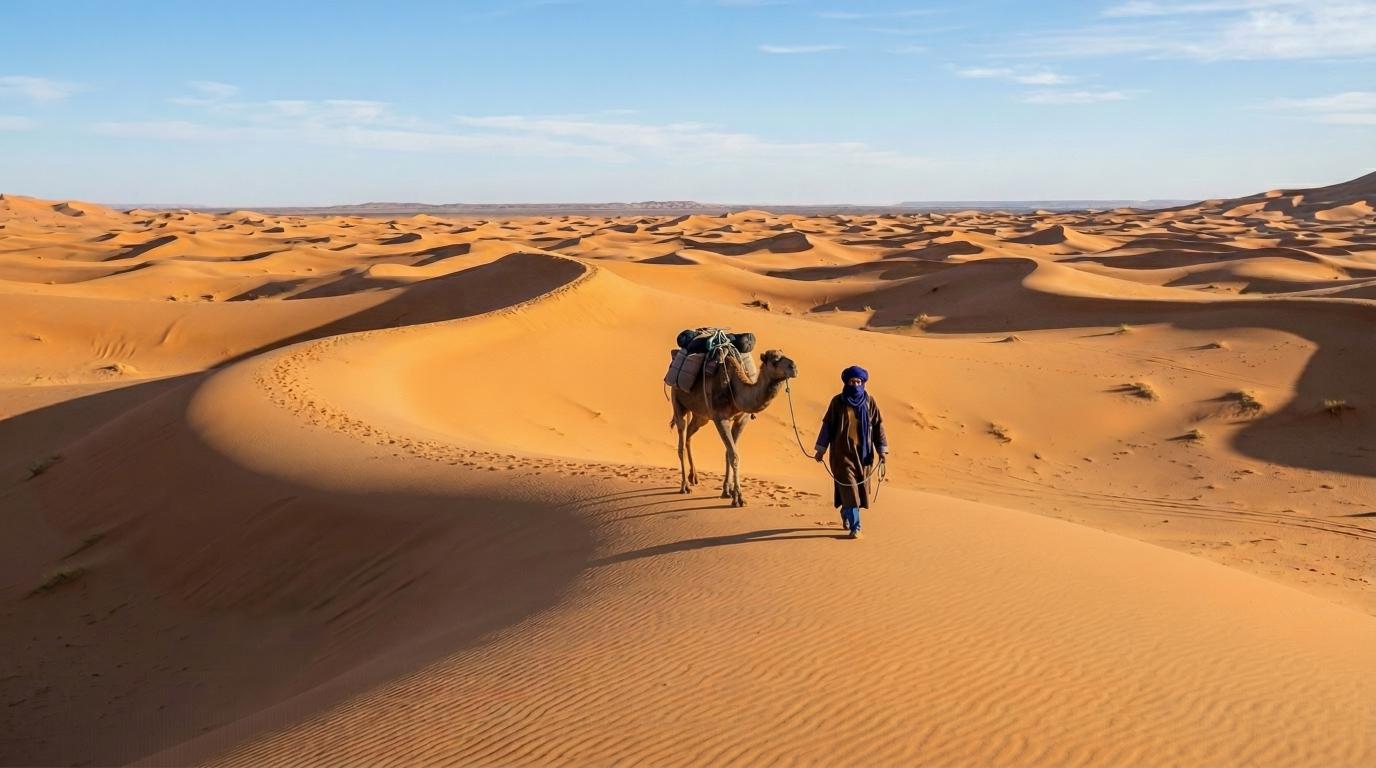
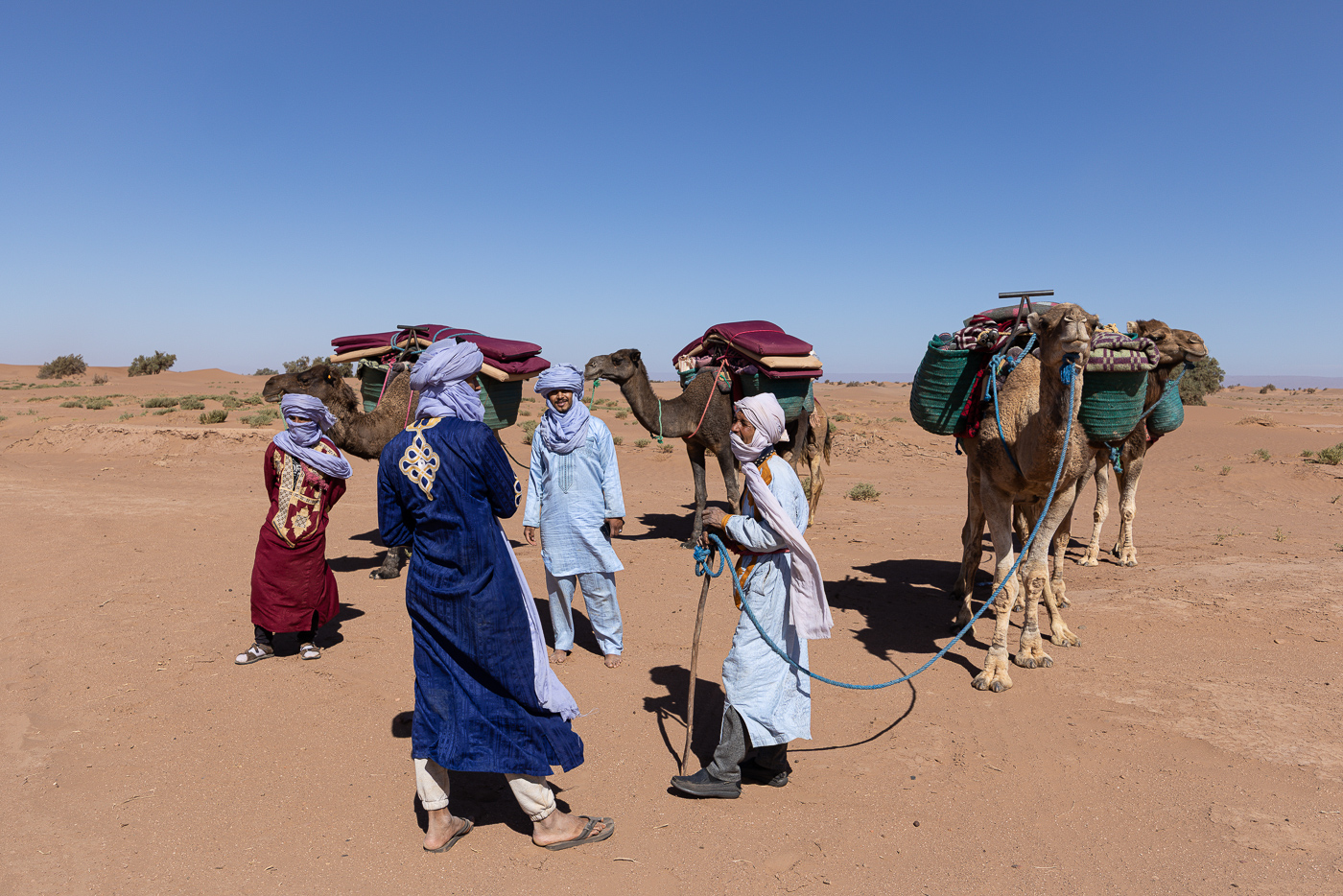
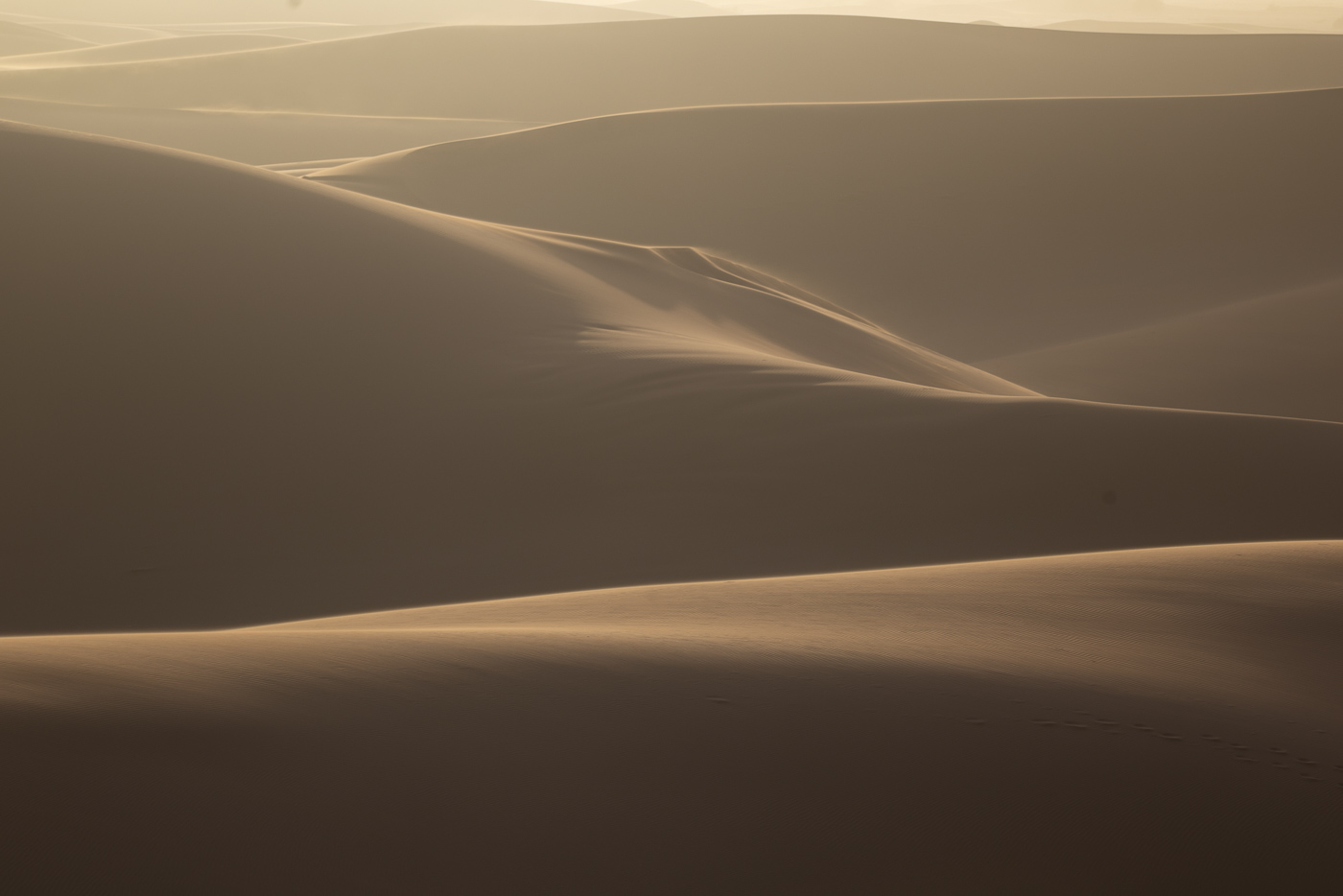
Sahara Desert Morocco Trip Gallery
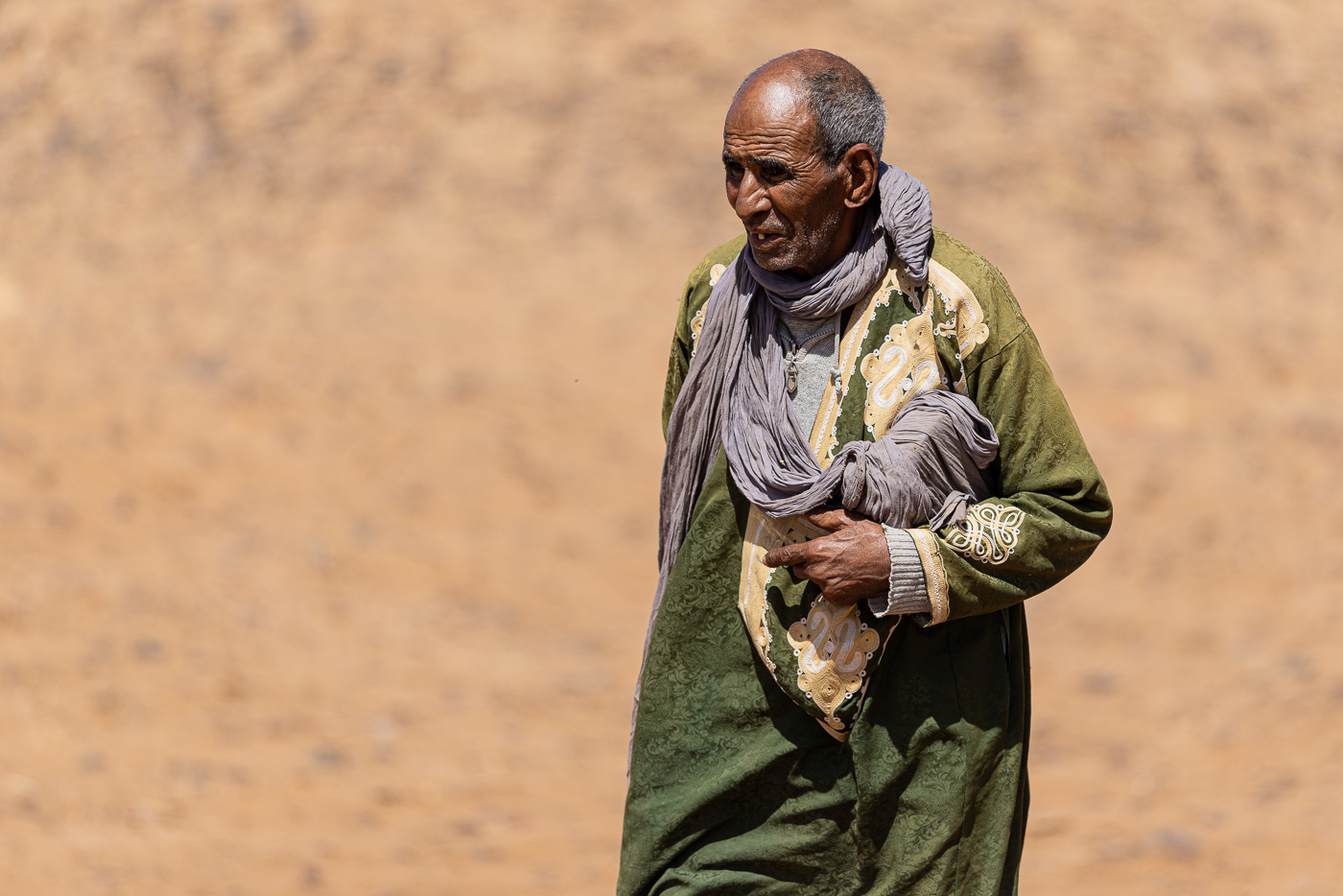
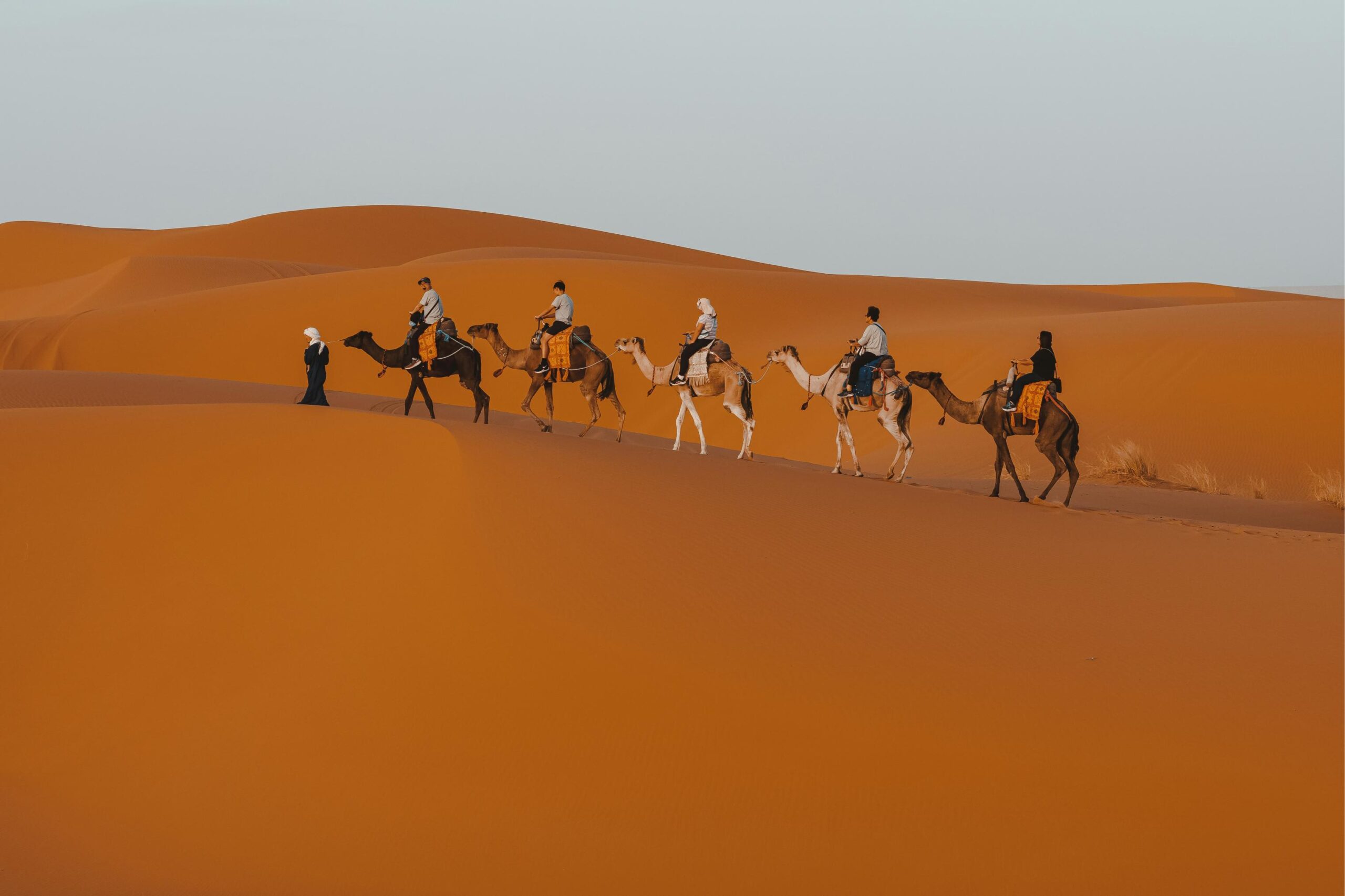
Real moments from our trips across Erg Chegaga, Erg Zahar, Erg Chebbi and the dunes around Mhamid el Ghizlane.


Types of Sahara Desert Morocco Trips
There is no single “right” length for a Sahara desert Morocco trip. What matters is matching the journey to your time, your fitness and your curiosity. Here is how our trips generally break down.
Short Trips (2 to 3 Days): A First Taste of the Sahara
Short trips are perfect if you are combining the desert with Marrakech, Fes or the coast. You still enjoy the drive through the Atlas, a camel ride into the dunes, dinner under the stars and a sunrise you will never forget. The trade-off is time: much of a short trip is spent on the road, so you see the desert but do not really live in it. Browse our Sahara tours for short options.
Medium Trips (4 to 7 Days): Time to Explore
With four to seven days, the Sahara starts to open up. You can spend several nights in the sand, combine 4×4 routes with camel rides and short treks, and move between dune fields and oases. This is a great balance for travellers who want real desert time without committing to a long expedition.
Long Treks (8 Days or More): The Sahara as the Nomads Know It
This is where Desert Sahara Life truly stands apart. On a long trek, the desert stops being a backdrop and becomes your daily life. You walk alongside dromedaries that carry your gear, rest under tamarisk trees at midday, and set up camp in a new place each evening. Our guides read the land the way their families always have, following old caravan routes, finding wells, and sharing stories of desert life around the fire. A long trek can link Erg Zahar, Erg Chegaga and smaller dune fields in one continuous journey. Travellers who choose these routes consistently tell us it was the most meaningful part of their time in Morocco. If you love walking, see our hiking tours in Morocco.
Private and Tailor-Made Trips
Prefer your own dates, pace or route? Every trip can be run privately for couples, families or groups of friends. Use our Sahara trips planner tool to sketch out your ideal journey and we will turn it into a real itinerary.
Travelling With the Nomads of Mhamid el Ghizlane
What makes a desert journey memorable is rarely the itinerary on paper. It is the people who walk beside you. Our guides come from nomadic families in and around Mhamid el Ghizlane. They grew up moving with herds and caravans, and they know the desert in a way no map can capture: which dunes shift after a storm, where to find shade at noon, which wells still hold water at the end of summer.
Travelling with them means you learn as you go. You will see how to load a camel properly, how bread is baked under the embers, how to tie a cheche against the wind, and how to read the stars for direction. Evenings are often filled with music, mint tea and stories passed down through generations. It is this human side of the Sahara that our guests remember most.
What a Day in the Desert Looks Like
Days in the Sahara follow the rhythm of the sun. Mornings begin early, with soft sunrise light spilling over the dunes while the guides prepare mint tea and fresh bread. After breakfast the camels are loaded and the walking begins while the air is still cool.
Around midday, the group stops in the shade for a long lunch and rest. The hottest hours are for relaxing, not marching. In the afternoon you continue towards the evening camp, usually arriving in time to climb a dune for sunset. Dinner is cooked over the fire: tagines, couscous, soups and fresh salads, followed by stories, drumming and, above all, the stars. With no light pollution, the Milky Way stretches clearly from one horizon to the other.
Best Time for a Sahara Desert Morocco Trip
Timing has a big impact on comfort, especially on longer treks.
- Spring (March to May): warm days, cool nights and clear skies. One of the best windows for trekking.
- Autumn (September to November): pleasant temperatures and beautiful light. Another excellent choice.
- Winter (December to February): mild, sunny days but cold nights that can drop near freezing. Great for shorter trips if you pack warm layers.
- Summer (June to August): very hot. Short trips are possible, but we do not recommend multi-day trekking.
Spring winds and the occasional winter cold spell are part of desert life. Our team follows conditions closely and adjusts routes when needed, which is one of the real benefits of travelling with local nomads.
What to Pack for Your Sahara Trip
Packing light and smart makes a big difference. For most trips we recommend:
- Lightweight, breathable, long-sleeved clothing to protect you from the sun
- A warm fleece or down jacket for the evenings, as desert nights get cold
- Comfortable walking shoes or boots, plus sandals for camp
- A wide-brimmed hat or cheche (desert scarf), sunglasses and high-factor sunscreen
- A headlamp, a reusable water bottle and basic first-aid items
- A sleeping bag for long treks (one can also be hired locally in Mhamid)
For more detail on clothing, read our guide on what to wear on a camel ride. Most of the advice applies to trekking too.
Why Plan Your Sahara Desert Morocco Trip With Desert Sahara Life
Many agencies sell desert trips from an office in a big city. We are different. Our roots are in Mhamid el Ghizlane, and our guides are nomads who grew up moving through these dunes. That local knowledge shapes everything: the routes we take, the wells we stop at, and the quiet camps we choose far from other groups.
- More than 10 years of experience organising Sahara adventures across southern Morocco
- Long-journey specialists: multi-day treks and expeditions are our core, not an add-on
- Experienced nomad guides from Mhamid el Ghizlane who know the desert intimately
- Departures from Marrakech and Ouarzazate to Erg Chegaga, Erg Zahar and Erg Chebbi
- Small groups and private trips that respect both travellers and the desert
Whether you want a two-night escape or a two-week expedition, we will help you find the right fit. Learn more about our team or explore our wider services as a travel agency in Morocco.
Book Your Sahara Desert Morocco Trip
Tell us when you want to travel, how many days you have and what kind of desert experience you are dreaming of. Our team will reply within 24 hours with a tailored proposal. Prefer to talk first? Visit our contact page.
Sahara Desert Morocco Trip FAQs
How many days do I need for a Sahara desert Morocco trip?
It depends on how deeply you want to experience the desert. Three days from Marrakech is the minimum: it gives you the drive over the High Atlas, one night in a desert camp and a sunrise over the dunes, but a lot of that time is spent on the road. Four to seven days lets you slow down, spend several nights in the sand and combine camel rides, short treks and 4×4 routes between dune fields. For the deepest experience, our nomad-led treks of eight days or more start from Mhamid el Ghizlane and cross several dune fields on foot, including Erg Zahar and Erg Chegaga. If you are unsure, tell us how many days you have and we will suggest the best route for that time.
Which is better: Erg Chegaga or Erg Chebbi?
Both are beautiful, but they offer very different experiences. Erg Chegaga is wilder and more remote. It is reached from Mhamid el Ghizlane, with no paved road to the dunes, so it stays quiet and uncrowded, making it ideal for trekking, wild camping and travellers who want the real, open Sahara. Erg Chebbi, near Merzouga, is easier to reach and has a wide choice of comfortable and luxury camps, which suits families, couples and anyone who wants comfort after a day in the dunes. As specialists in long journeys with nomads from Mhamid, we usually recommend Erg Chegaga for adventure and Erg Chebbi for a relaxed stay. See our Erg Chigaga tours and Erg Chebbi luxury camps to compare.
Can I start my Sahara trip from Ouarzazate instead of Marrakech?
Yes. Ouarzazate is a great starting point and shortens the drive to Mhamid el Ghizlane and Erg Chegaga by several hours, so you arrive in the desert with more energy and more time in the dunes. Marrakech remains the most popular option because of its international flights, and the road from there over the Tizi n’Tichka pass and past the Kasbah of Aït Benhaddou is a highlight in itself. We offer departures from both cities and can pick you up from your hotel, riad or the airport.
Is a Sahara desert Morocco trip safe?
Southern Morocco is a welcoming region, and travelling with an experienced local team is the best way to enjoy the desert safely. Our nomad guides from Mhamid el Ghizlane know the routes, water points and weather patterns, and they adapt the itinerary if a sandstorm, heat or cold changes conditions. On our treks, camels carry water and supplies, and our team stays in contact with support in Mhamid. We always recommend that you take out travel insurance and let us know about any health conditions before you travel so we can plan accordingly.
Do I need to be fit for a desert trek?
Short trips need no special fitness. You ride a camel or travel by 4×4 and only walk short distances, such as climbing a dune for sunset. Multi-day treks are different: you walk several hours a day on soft sand and rocky ground, so a reasonable level of fitness helps and some hiking experience is an advantage. That said, the camels carry all the heavy gear, the hottest hours of the day are spent resting in the shade, and the pace is always set to suit the group. Explore our hiking tours in Morocco for options at different levels.
Where do we sleep during a Sahara trip?
It depends on the type of trip you choose. On short and medium trips you usually sleep in a fixed desert camp with tents, beds and shared or private facilities, from simple traditional camps to comfortable luxury camps. On our long treks with the nomads, you wild camp in a different place each night: tents, mattresses, blankets and cooking equipment are all carried by the camels and set up by the team. Many guests choose to sleep outside the tent on clear nights to fall asleep under the stars. A sleeping bag is recommended for treks and can be hired in Mhamid.
What is the food like in the desert?
Food is one of the highlights of a Sahara desert Morocco trip. Our team cooks fresh, traditional meals over the fire every day: tagines, couscous, harira soup, salads, lentils and fresh fruit, with plenty of mint tea throughout the day. On treks, our guides bake bread directly in the hot sand under the embers, a nomad tradition guests love to watch. Vegetarian and other dietary needs can be catered for if you let us know when booking.
How do I book a Sahara desert trip with Desert Sahara Life?
Booking is simple. Fill in the form above with your travel dates, the number of travellers and the kind of trip you are interested in, or visit our contact page. Our team replies within 24 hours with a tailored proposal and answers any questions you have about routes, camps or trekking. If you like to plan yourself, you can also design your own journey with our Sahara trips planner tool and we will turn it into a complete itinerary.