
The Best Time of Year to Visit the Sahara
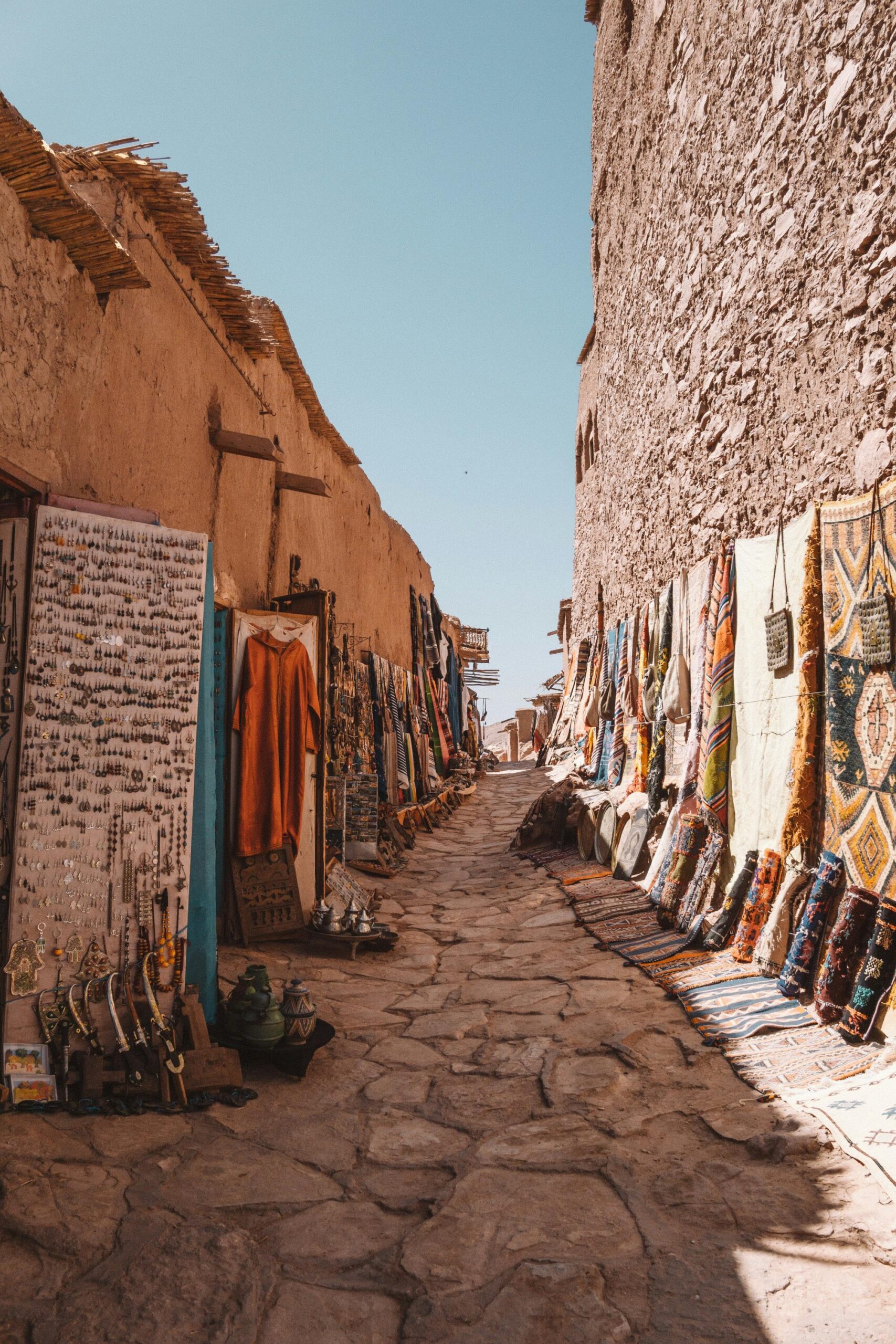
The best time of year to visit the Sahara is spring (March–May) or autumn (September–November), when days are warm, nights are mild and the light is at its most beautiful. But every season has its own character — and its own reward. This month-by-month guide helps you choose the perfect window for your Moroccan desert adventure.
Timing is everything in the desert. Pick the right season and the Sahara is one of the most comfortable, photogenic and rewarding places on earth; pick the wrong one and you’re either dodging midday heat or shivering through the night. Understanding the best time of year to visit the Sahara lets you plan around the weather instead of being surprised by it. At Desert Sahara Life, we run trips year-round, so here’s our honest, season-by-season breakdown.
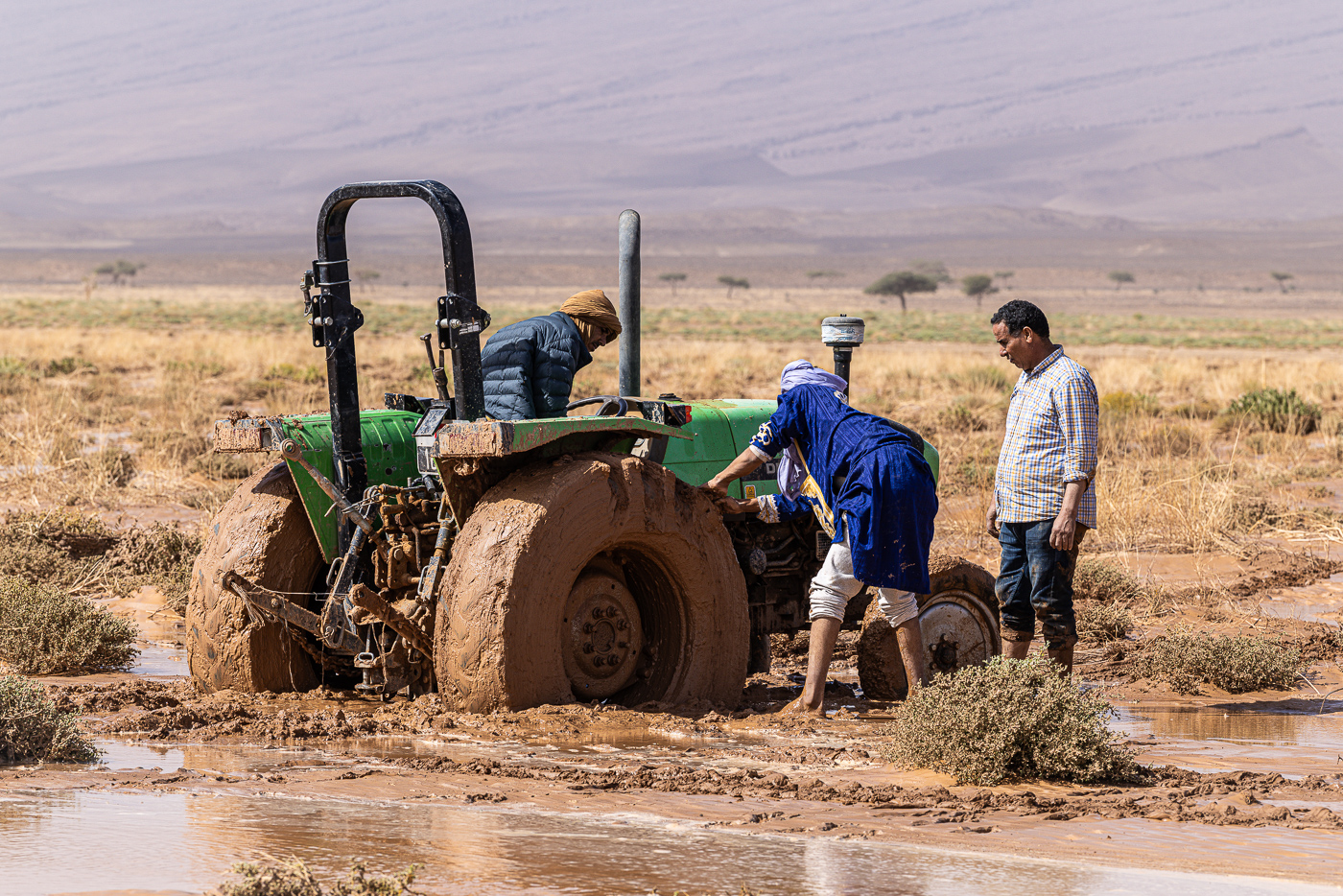
The Sweet SpotsSpring and autumn
If you can travel whenever you like, aim for spring or autumn. From March to May, the desert wakes up after winter: daytime temperatures sit comfortably in the mid-20s°C, nights are cool but not harsh, and the occasional desert bloom brings unexpected colour. From September to November, the summer heat fades and the desert settles into long, golden, stable days — arguably the finest trekking weather of the year.
These shoulder seasons are ideal for everything from a short overnight to an ambitious multi-day trek. They’re perfect for our on-foot Erg Chigaga tours and the quieter, palm-fringed routes around Erg Zahar, where moderate temperatures make covering ground a pleasure rather than an endurance test.
| Season | Feel | Best for |
|---|---|---|
| Spring (Mar–May) | Warm days, cool nights, occasional bloom | Trekking, photography, all trip types |
| Summer (Jun–Aug) | Very hot midday, warm nights | Short overnights, luxury camps, early starts |
| Autumn (Sep–Nov) | Golden, stable, comfortable | Long treks, multi-day journeys |
| Winter (Dec–Feb) | Mild sunny days, very cold nights | Clear skies, photography, fewer crowds |
SummerJune to August — heat and strategy
Summer in the Sahara is hot — daytime highs regularly push past 40°C, and midday in July can be genuinely fierce. That doesn’t make it off-limits; it just changes how you travel. The trick is timing: be out for sunrise and sunset, rest in the shade during the peak hours, and keep treks short. Nights are pleasantly warm, so you’ll sleep comfortably under the stars without heavy layers.
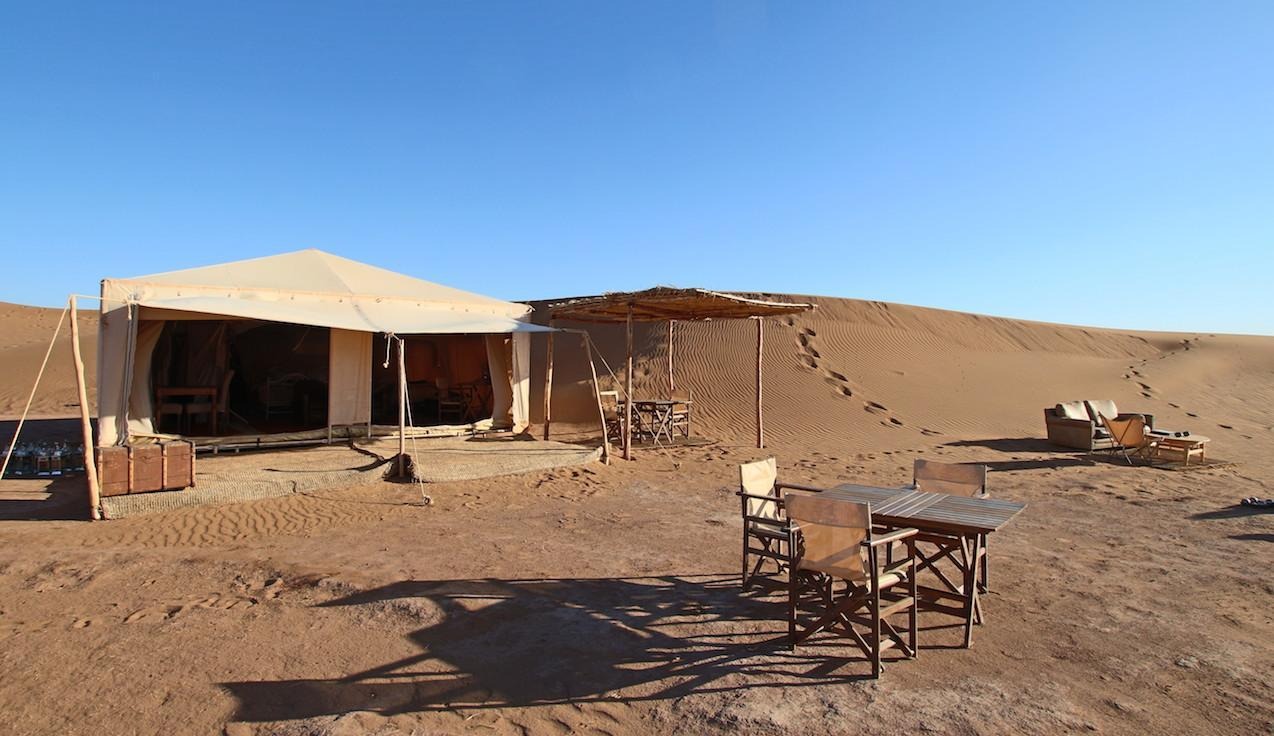
Summer is also when the Erg Chebbi luxury camps come into their own — a shaded, comfortable base with a way to cool off makes a huge difference. If you’re set on a summer trip, keep it to a well-planned overnight rather than a long desert crossing, and drink far more water than you think you need.
The end-of-year holidays (roughly December 20 to January 10) are popular and often carry a small seasonal surcharge. Book early if you want to spend New Year in the dunes.
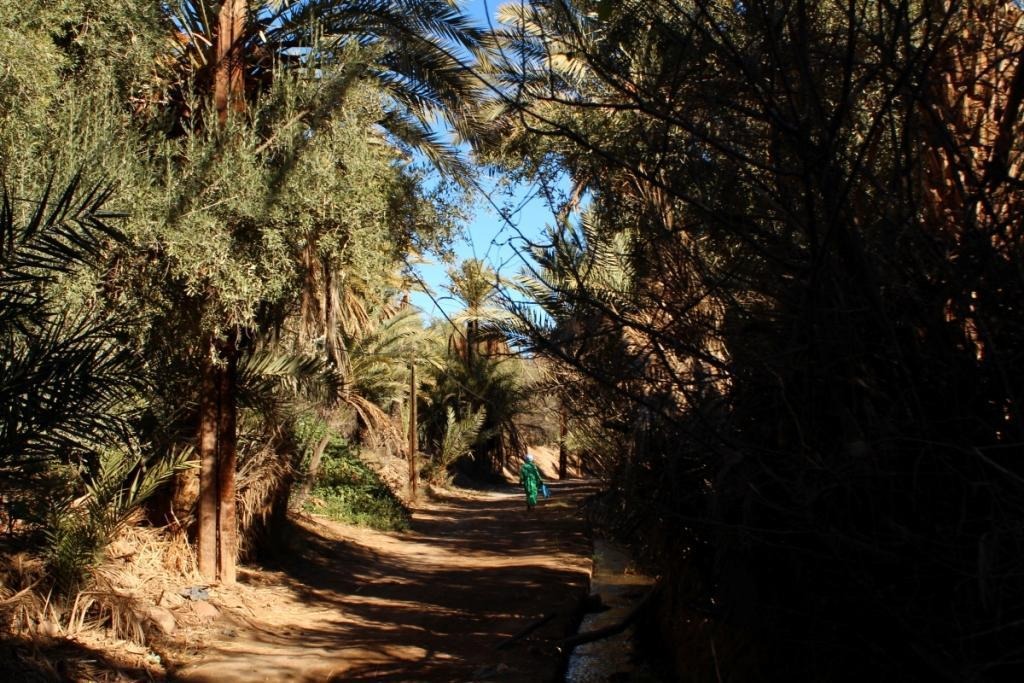
WinterDecember to February — clear skies, cold nights
Winter is the desert’s underrated season. The days are mild, sunny and beautifully clear — often perfect for walking — and the low-angle light is a photographer’s dream. The catch is the night: once the sun sets, temperatures fall fast and can drop below freezing in the open desert. With the right warm layers, sleeping bag and a fire-lit camp, it’s a wonderful, atmospheric time to visit, and you’ll share the dunes with far fewer people.
Winter suits travellers who prioritise clear skies, dramatic light and solitude over warm evenings. Just pack properly — this is the one season where under-packing warm clothing genuinely ruins the experience.
By The HourThe daily rhythm matters as much as the month
Whatever season you choose, the desert’s best moments cluster around dawn and dusk. Sunrise from a high dune and the half-hour of colour after sunset are the experiences people remember for life — and they’re comfortable year-round, even in summer. Any well-planned itinerary is built to put you in the right place at exactly those hours. That’s the kind of detail we obsess over across our full range of Sahara tours.
Tell us when you can travel
Give us your dates and we’ll tell you honestly what to expect and which route suits the season best. No pressure, just good advice.
Start PlanningMatch Season To TripChoosing the right journey for the calendar
Season and trip type go hand in hand. Long, ambitious treks belong in spring and autumn, when you can walk for hours in comfort. Summer favours short, luxury-leaning overnights near Merzouga. Winter rewards the well-prepared with empty dunes and crystalline skies. If you want the big western dunes without the peak crowds, our Erg Chegaga tours from Marrakech work beautifully in the shoulder seasons.
Still weighing it up? The easiest way to line up your dates with the ideal route is our Sahara trips planner tool, which builds a suggested itinerary around exactly when you want to go.
At A GlanceMonth-by-month temperature guide
Every desert region varies, but these approximate daytime highs and nighttime lows for the Moroccan Sahara give you a realistic sense of what to expect. Remember the headline lesson: the gap between day and night is large all year round.
| Month | Day (approx.) | Night (approx.) |
|---|---|---|
| January | 18°C | 1–3°C |
| March–April | 25–28°C | 8–12°C |
| May | 30°C | 14°C |
| June–August | 38–44°C | 20–25°C |
| October | 28°C | 13°C |
| November | 22°C | 8°C |
| December | 18°C | 2–4°C |
The takeaway is consistent: pack a warm layer whatever the season, and reserve the most ambitious treks for the mild shoulder months.
Special DatesFestivals and events
Timing your trip around a cultural moment can add real magic. Southern Morocco hosts nomad and desert music gatherings, and the wider country celebrates events throughout the year. It’s also worth being aware of Ramadan, whose dates shift annually — travel is entirely possible during this month, but the daily rhythm changes, and it’s worth discussing with your operator in advance. If a particular festival is on your radar, mention it when you plan and we’ll build the trip around it. Our team is happy to advise via the contact page.
Season SnapshotWhat to pack for each
A quick seasonal wardrobe guide so your bag matches the calendar:
- Spring & autumn: light breathable layers by day, one warm mid-layer for evenings. The easiest packing of the year.
- Summer: loose light fabrics, maximum sun protection, extra water — plus a thin layer for cooler dawns.
- Winter: a proper warm system — fleece or down, hat, gloves and a good sleeping bag for the sub-zero nights.
Whatever the month, choosing the right route for the weather is half the battle — and it’s something we’re glad to help with across every one of our Sahara tours.
For PhotographersWhen the light is best
If capturing the desert matters to you, season and time of day both play a role. The shoulder months of spring and autumn give you the most stable, cloud-free skies and long stretches of golden light, while winter’s low sun angle produces beautifully long shadows across the dunes and the crispest air of the year. Whatever the month, the two golden windows are the hour after sunrise and the hour before sunset — the sand glows, the shadows sculpt every ripple, and the crowds thin out. The remote camps reached on our Erg Chigaga tours also give you something priceless for night photography: skies with almost zero light pollution, where the Milky Way arcs clearly overhead. Bring a small tripod and spare batteries, keep your gear sealed against the fine sand, and you’ll come home with images that do the desert justice.
Plan AheadHow far in advance to book
Lead times shift with the season. The peak windows — spring, autumn and the end-of-year holidays — fill up fastest, so if your dates are fixed it’s wise to book well in advance to secure the camp and route you want. Summer and the quieter winter weeks offer more last-minute flexibility. Private departures and larger groups always benefit from earlier planning, since they need more coordination. Whenever you’re travelling, a little forward planning means better availability and a smoother trip. The simplest first step is to sketch out your dates with our Sahara trips planner tool and let us confirm what’s possible for your chosen season.
Wind & DaylightTwo things the calendar won’t tell you
Two practical factors sit alongside temperature when you’re choosing your window. The first is wind. Spring, in particular, can bring the occasional windy spell that lifts fine sand into the air — rarely a full sandstorm, but enough to soften the horizon and make a scarf genuinely useful. These days pass quickly and are simply part of the desert’s character, but it’s worth knowing they’re most common in the spring months so you can pack a chèche and keep your camera sealed.
The second is daylight. In midwinter the sun sets early and the long, cold nights give you more hours around the campfire and under the stars — wonderful if stargazing is your priority. In late spring and summer, longer days mean more time to explore and a later, more relaxed sunset. Neither is better; they simply shape the rhythm of your trip differently. Matching that rhythm to what you most want out of the desert — quiet fire-lit nights or long golden afternoons — is exactly the kind of detail we’ll help you weigh when you get in touch through our contact page.
Key takeaways
- Best overall: spring (Mar–May) and autumn (Sep–Nov).
- Summer: hot midday — travel at dawn/dusk, keep it short, choose luxury camps.
- Winter: clear days, freezing nights — pack serious warm layers.
- Sunrise and sunset are magical in every season; plan around them.
Featured Sahara Trips
Best Time to Visit — FAQs
Pick Your Season, We’ll Do the Rest
From spring blooms to winter’s crystal skies, we’ll match your dates to the perfect desert route. Start planning your Sahara trip now.