
Berber Culture in the Sahara: What Travelers Should Know
Before the first tourist ever set foot in the Moroccan Sahara, the Berber people — the Amazigh — had already been living, trading, and thriving in these desert landscapes for thousands of years. Their culture is not a backdrop to your Sahara adventure. It is the heart of it. Understanding a little of who the Berbers are, how they live, and what matters to them will transform your time in the desert from sightseeing into genuine human connection.
This guide covers the essential things every traveler should know about Berber culture before visiting Morocco’s Sahara — from hospitality traditions and language to music, food, and the nomadic way of life that continues to this day across the great ergs of the south. All of our Sahara hiking tours are led by native Berber guides who bring this culture to life firsthand.
Who Are the Berbers?
The Berbers, or Amazigh — meaning “free people” in their own language — are the indigenous people of North Africa, predating the Arab arrival by thousands of years. In Morocco, the Amazigh make up a significant portion of the population, and in the desert south they remain the dominant cultural presence. The Berbers of the Sahara are not a single tribe but a constellation of related communities — the Draoua of the Drâa Valley, the Aït Atta of the Atlas piedmont, and the nomadic Sahrawi clans who have moved across the deep desert for generations.
What unites them is a shared language (Tamazight, with its own ancient alphabet called Tifinagh), a deep connection to the land, and a code of hospitality so ingrained it is practically a spiritual practice. When you trek through Erg Chigaga with one of our guides or share camp with a nomadic family near Erg Zahar, you are stepping into a living culture that has endured every empire and conqueror the Sahara has ever seen.
The Sacred Tradition of Berber Hospitality
The single most important thing a traveler can know about Berber culture is this: hospitality is not optional. In Tamazight, the concept of tiwizi — mutual aid and communal generosity — runs through every aspect of social life. When a Berber family invites you to share tea, it is not a commercial gesture. It is an expression of something much older and much deeper.
Mint tea in the Sahara is served in three rounds, each with a different meaning: the first is as bitter as life, the second as strong as love, the third as sweet as death. Refusing tea is considered impolite. Accepting it, sitting with your hosts, and taking time to be present — even without a shared language — is one of the most genuinely moving experiences the desert offers.
On our Erg Chigaga tours and 4-day M’Hamid treks, we build in time for these encounters rather than rushing past them. They are not a scheduled activity — they are the point.
Life in the Sahara
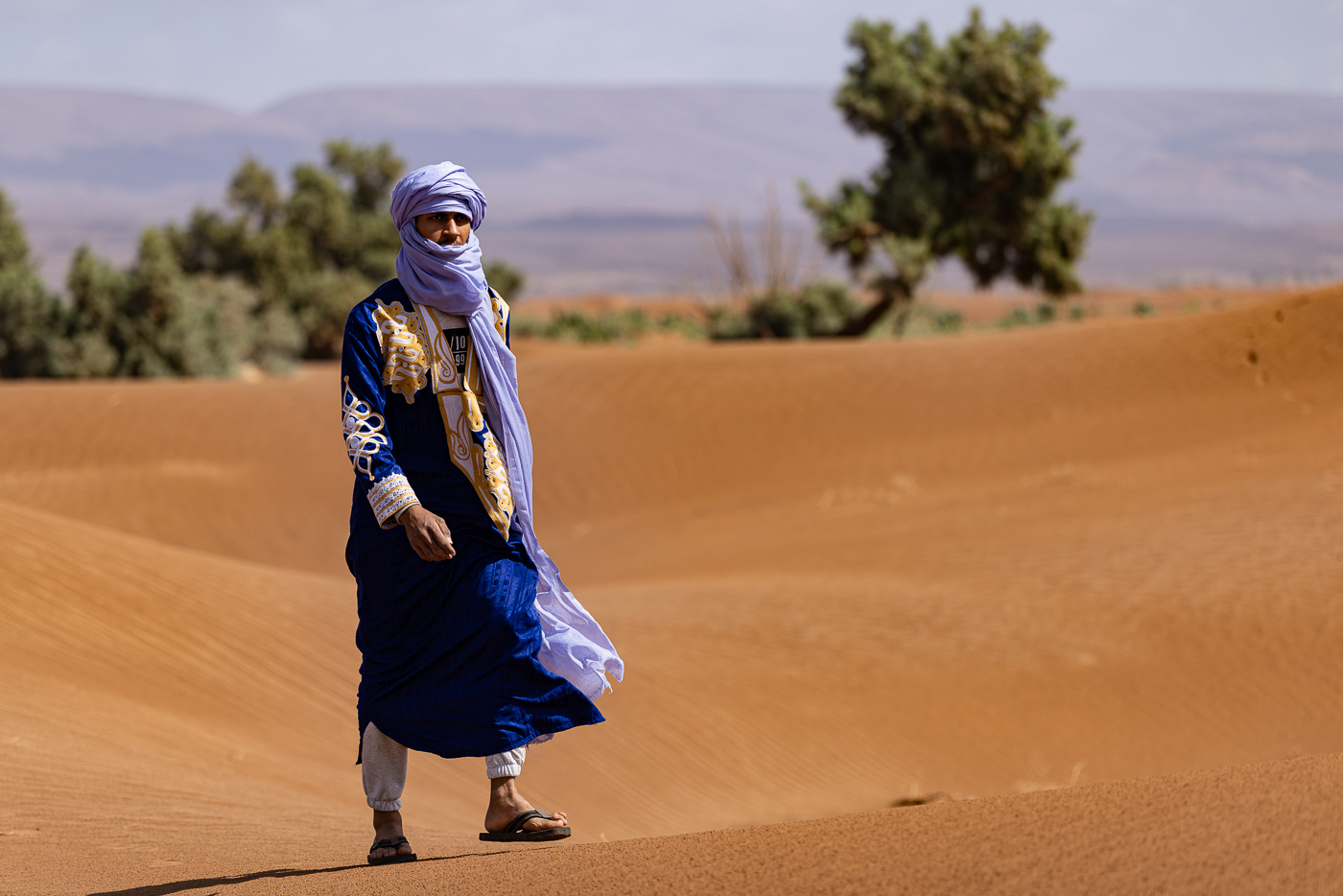
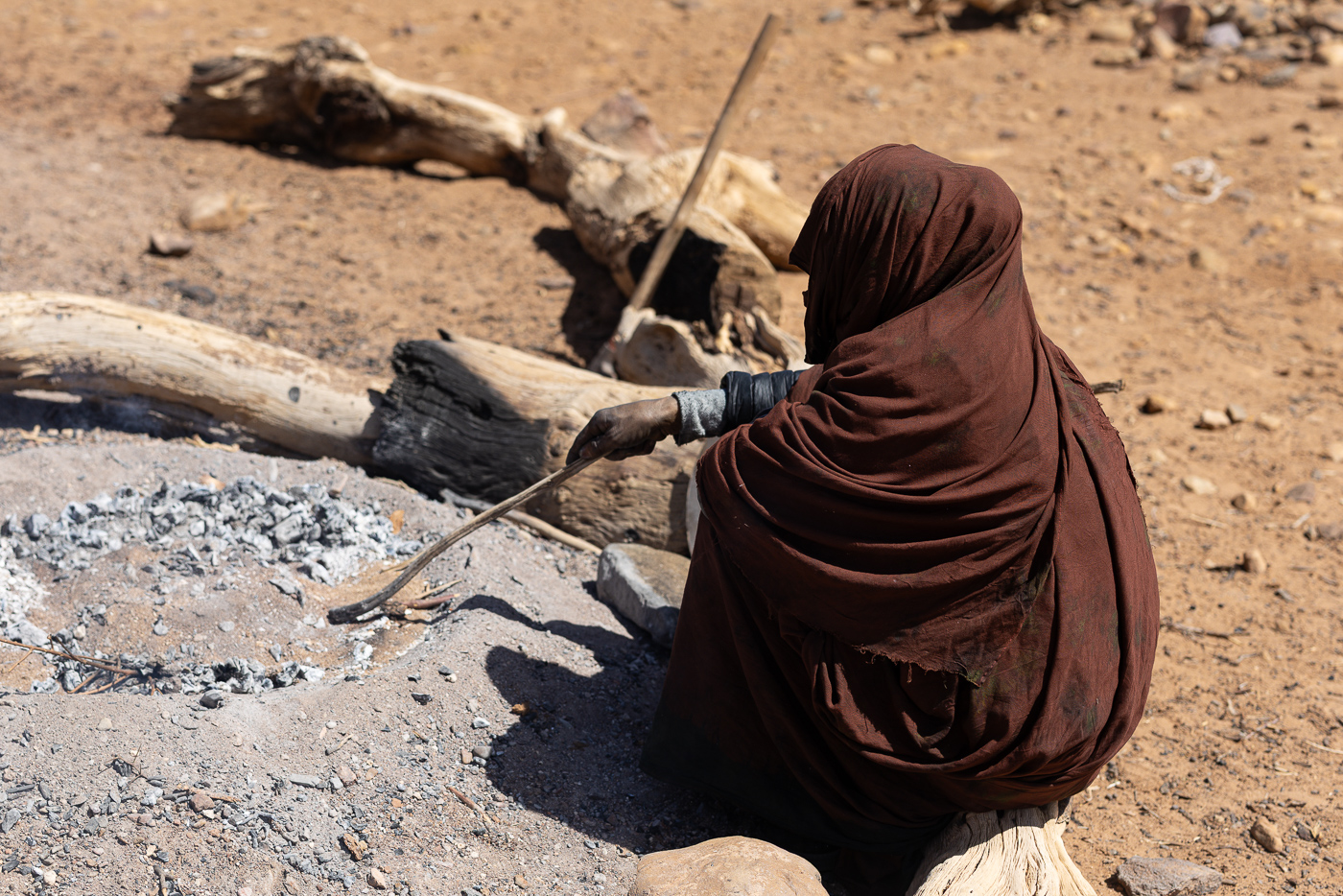
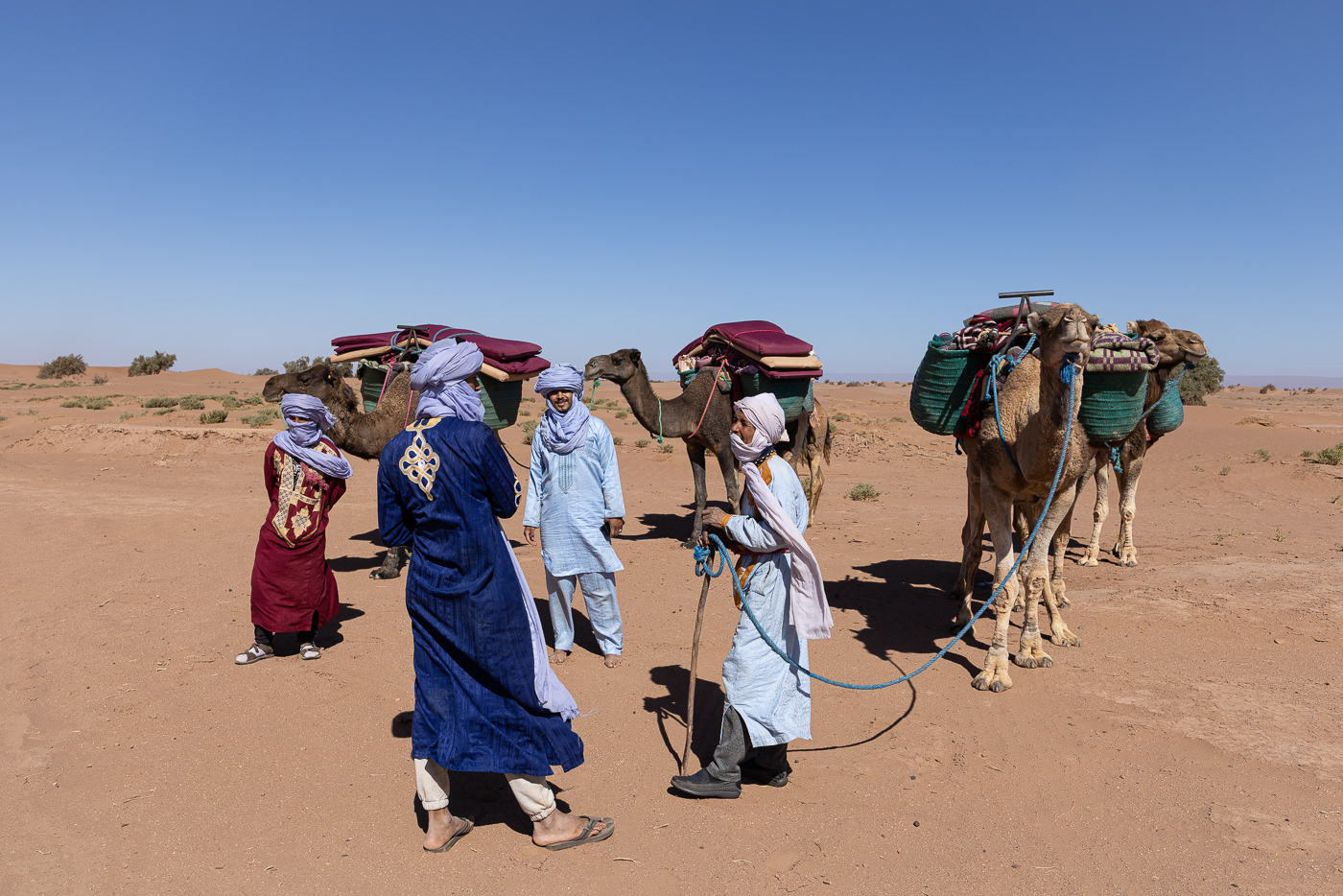
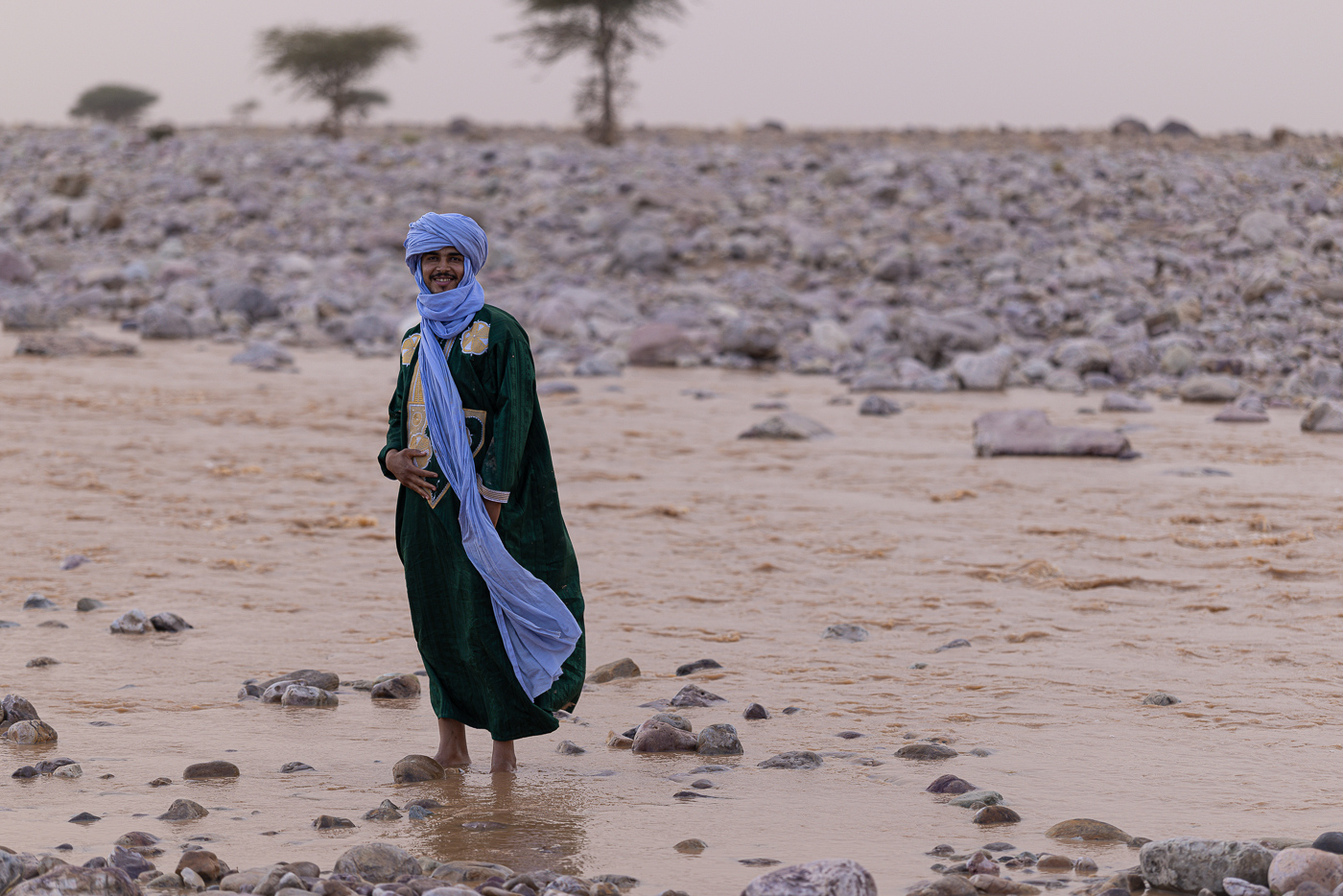
Berber culture, desert landscapes, and authentic Saharan moments
Key Aspects of Berber Culture in the Desert
🎵 Music and Gnawa
Music is central to Berber desert life. Around the campfire each evening, you will hear the guembri (a three-stringed bass lute) and hand drums driving rhythms that have been passed down for centuries. Gnawa music, rooted in sub-Saharan spiritual traditions and absorbed into Saharan Berber culture along the old caravan routes, is particularly powerful — hypnotic, repetitive, and deeply communal. Clapping along is not just welcome, it is expected.
🏕️ Nomadic Life and the Black Tent
Traditional Berber nomads of the deep Sahara live in khaima — large tents woven from black goat hair that insulate against both heat and cold. Inside, life is organized with careful economy: sleeping mats along the walls, a central fire, hand-woven rugs, and a tea service always within reach. While full nomadism has declined, many families in the areas around Erg Chigaga and Erg Zahar still move seasonally with their herds.
🍲 Food and Cooking
Berber desert cooking is simple, slow, and extraordinarily good. The centerpiece is tagine — meat and vegetables slow-cooked in a conical clay pot over coals — alongside khobz (flatbread baked directly in the sand under hot embers) and harira soup fragrant with coriander and lemon. Meals in the desert are communal affairs eaten from a shared dish. Our Sahara camps serve traditional Berber cuisine prepared fresh each evening by cooks who learned these recipes from their grandmothers.
🌙 Spirituality and the Stars
The Berbers of the Sahara are Muslim, but their practice is layered with older animist traditions, Sufi influences, and a profound attentiveness to the natural world. The desert sky plays a central role — stars have guided navigation, marked the planting calendar, and inspired poetry for millennia. Spending a night in the open desert under the Milky Way, guided by someone who knows every constellation by its Tamazight name, is an experience that stays with you long after you leave.
🎨 Crafts and Textiles
Berber weaving, silverwork, and pottery carry symbolic languages that predate written history. Geometric patterns woven into rugs and tent cloth are not purely decorative — they encode tribal identity, protective symbols, and cosmological beliefs. In villages along the Drâa Valley near Zagora and M’Hamid, you can watch women weave on traditional looms and, if you wish, purchase pieces directly from the maker — one of the most meaningful souvenirs you can bring home.
🐪 The Role of the Camel
The camel — agelliḍ n tesdawit, “the king of the desert” in Tamazight — is not simply transport. It is status, wealth, and companion. Berber camel herders develop close relationships with their animals over years, reading their moods and health with the same attention a farmer gives to crops. On our camel trekking routes through Erg Chigaga and Erg Chebbi, your guide will introduce you to the camels by name and share something of what they mean to desert life.
Cultural Etiquette: How to Be a Respectful Guest
The Berbers of the Sahara are generous and genuinely welcoming of visitors, but a little cultural awareness goes a long way toward making your encounters feel like mutual exchanges rather than tourist transactions.
Accept tea and food when offered. Declining hospitality is considered dismissive. If you have dietary restrictions, a simple explanation is always understood graciously.
Ask before photographing people. A smile and a gesture toward your camera is usually enough. Many people are happy to be photographed — some are not. Respect that without making it awkward.
Dress modestly in villages. The desert is hot, but covered shoulders and knees show respect in Berber communities, particularly for women travelers. A light linen shirt and loose trousers are both practical and appropriate.
Learn a few words of Tamazight or Darija. Azul (hello in Tamazight) and Shukran (thank you in Arabic/Darija) will get you further than any amount of money. Berbers are genuinely moved when visitors make the effort.
Buy directly from makers when possible. Purchasing crafts, rugs, or food directly from Berber families rather than through large souvenir shops puts money where it matters and creates a far more meaningful exchange for both sides.
Berber Culture on Our Desert Tours
Cultural immersion is not an add-on to our tours — it is the foundation they are built on. Every guide we work with is Amazigh, born and raised in the desert communities you will visit. They are not performing their culture for visitors; they are sharing it.
On our Erg Chigaga expeditions, evenings typically include music around the fire, traditional dinner, and conversation with guides who are as curious about you as you are about them. Our Erg Zahar cultural tours go deeper still, visiting nomadic families and participating in daily desert life rather than simply observing it.
For travelers who want to combine cultural immersion with longer trekking journeys, our 11-day Marrakech to Sahara trek passes through Berber Atlas villages, ancient kasbahs, and palm oasis communities before arriving at the great dunes of the south — giving you a complete picture of Amazigh life across Morocco’s most extraordinary landscapes.
Browse our photo gallery to see these moments captured, and read traveller reviews from people who have experienced Berber hospitality firsthand.
A Few Tamazight Words Worth Knowing
- Azul — Hello / Greetings
- Tanmirt — Thank you
- Mamnoun — You’re welcome
- Amek tgit? — How are you?
- Labas — Fine / No problem (used constantly)
- Atay — Tea (the most important word in the Sahara)
Experience Berber Culture in the Sahara
Our Berber guides don’t just show you the desert — they share it with you. Every trek, camp, and cultural encounter is rooted in genuine Amazigh hospitality that has welcomed travelers across the Sahara for centuries.
Plan Your Cultural Trek Explore All Tours